The Madness of Moms
How a group of mothers made sense of the NCAA Tournament
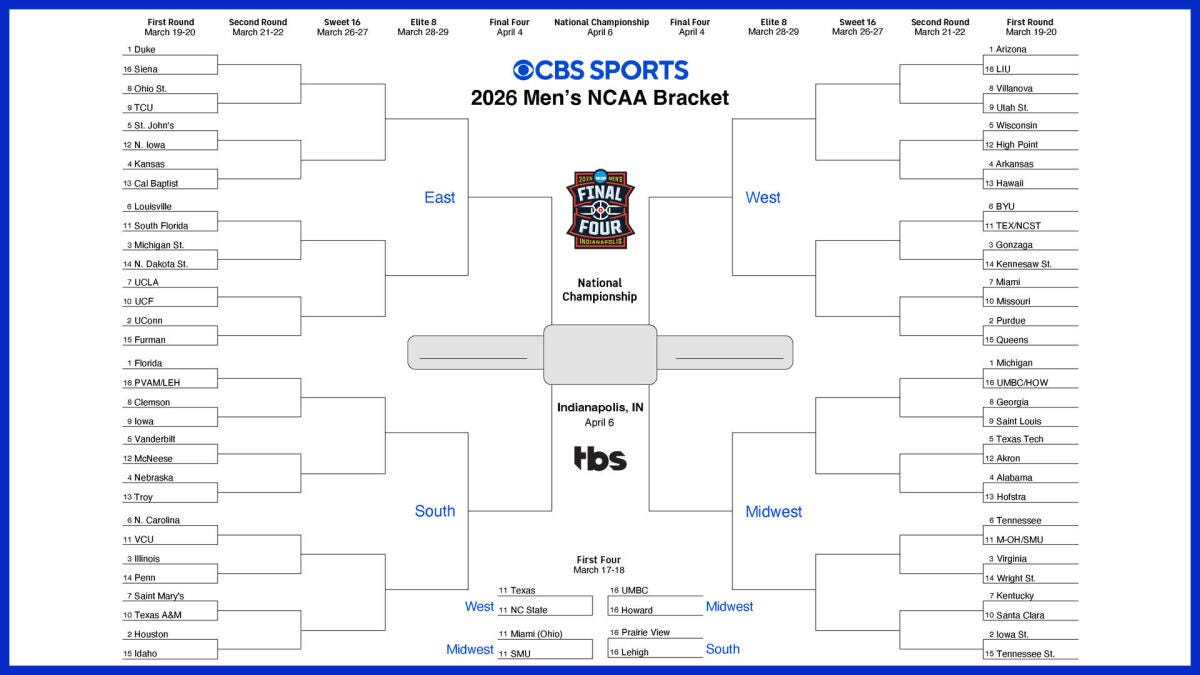
After years of watching their sons root violently for college basketball teams with whom they had no affiliation, a group of local moms (my wife included) wanted a closer look. They marveled as the men in their lives sat forlorn over busted brackets and poor picks. So this band of boy-moms thought – knew- there had to be more.So they swapped their book club for brackets and joined the madness.
A benevolent dad served as commissioner, sending weekly notes of encouragement to cushion the inevitable disappointment. But the moms held their own — in some cases outperforming the self-proclaimed experts at home. Their edge? They picked without emotion.
But somewhere between tip-offs and upsets, the moms discovered March Madness had less to do with basketball and more to do with life.
Your Bracket Doesn’t Actually Break - As the commissioner wisely reassured them early on, it’s almost never over after the first round. There are more games to be played, more points to be earned. Early losses don’t equal long-term failure — in brackets or in life. March is longer than you think.
Survive and Advance - That’s the enduring mantra of March. You don’t win the tournament in one game, and you rarely lose it in one either. Parenting works much the same way. So do careers, marriages, and personal goals. Success is less about dominating every matchup and more about staying in the game.
“Go Big or Go Home”(usually means going home) - Many of their sons loaded their brackets with bold, improbable upsets. The moms took a more measured approach. High risk can bring high reward — but it more often delivers early exits. Caution isn’t cowardice my son; sometimes it’s strategy.
Head Over Heart - Make your picks based on who you believe will win, even if it means going against a team you love. As one mom noted: “I suppose ignoring my kid’s schools paid off.” Tough love applies to brackets too.
Perfection Is a Myth – Don’t be so surprised by your mistakes. The odds of a perfect bracket are 1 in 9.2 quintillion. Warren Buffet offered $1 billion to anyone who achieved perfection. He’s still rich. Mistakes are not personal failures; they are statistical inevitabilities.
And perhaps most liberating of all is the randomness itself. As the commissioner conceded, deep knowledge of the game doesn’t guarantee success. Sometimes the winner is the person who picked based on mascots or school colors. There is a chaos that expertise cannot conquer.
Which leads to the final lesson: embrace the madness.
The tournament lurches between breathtaking buzzer-beaters and predictable wins. Life does the same. You celebrate what you can, absorb the losses, and fill out your bracket again next year.
In the end, these moms discovered that March Madness isn’t really about basketball. It mirrors life’s unpredictable journey – managing disappointment, calibrating risk, and staying steady when things don’t go your way.
If you can manage a busted bracket with grace, you are better prepared to handle the chaos to come.


